SMC Nickel-Based Welding Materials: Grades, Applications, and Selection Guide
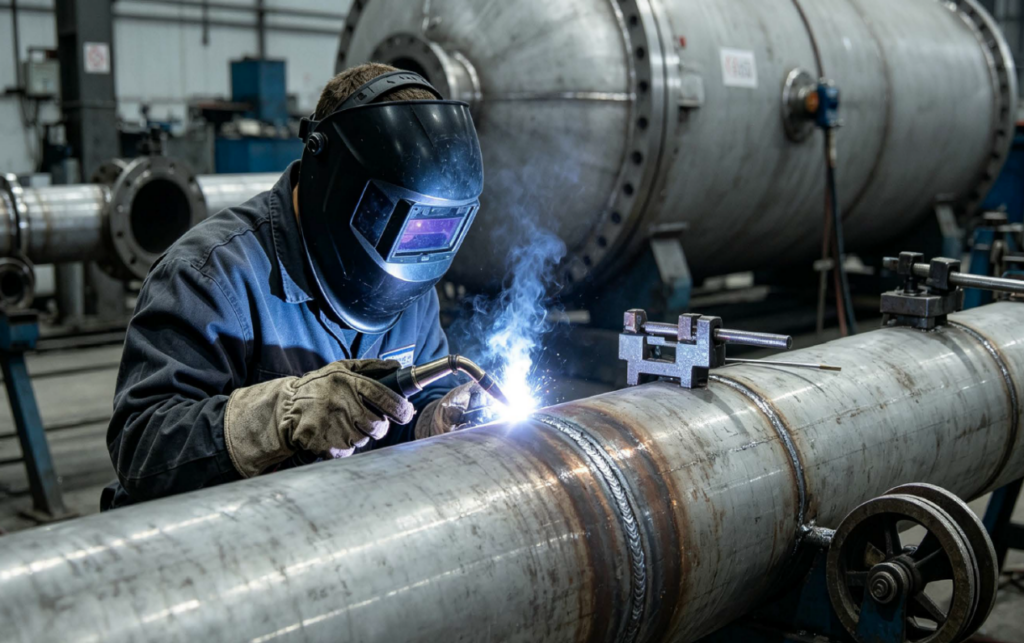
When working with nickel-based alloys, selecting the right welding consumable is essential to maintaining the performance and reliability of the finished component. The filler metal must be compatible with the base alloy while meeting the temperature, corrosion, mechanical, and service requirements of the application.
SMC’s INCO-WELD® product range provides a broad selection of nickel-based welding materials, including TIG/MIG wires, electrodes, and submerged arc welding products for demanding industrial applications.
Key Nickel-Based Welding Materials
ERNi-1 — For Commercially Pure Nickel
ERNi-1 is commonly used for commercially pure nickel alloys such as Ni 200 and Ni 201. It is well suited for applications requiring resistance to caustic solutions and chloride-containing environments.
Typical applications include chemical processing equipment, caustic service, and selected low-temperature applications.
ERNiCrMo-3 — Alloy 625
ERNiCrMo-3 is widely used with nickel-chromium-molybdenum alloys such as Alloy 625. Its combination of corrosion resistance and high-temperature performance makes it suitable for demanding chemical, petrochemical, marine, and power-generation applications.
It is also commonly considered for dissimilar-metal welding where compatible corrosion and mechanical performance are required.
ERNiCrMo-4 — Alloy C-276
ERNiCrMo-4 is designed for applications involving Alloy C-276 and other highly corrosion-resistant nickel alloys.
It is particularly suited to aggressive environments where resistance to reducing acids, pitting, crevice corrosion, and stress-related corrosion is important.
ENiCrFe-2 — Dissimilar-Metal Welding
ENiCrFe-2 is commonly used for joining nickel-based alloys with carbon steel and other dissimilar metals.
Nickel-based filler metals can provide a useful solution where differences in thermal expansion, metallurgy, and corrosion resistance need to be considered during welding.
Why Welding Consumable Selection Matters
For demanding applications, welding consumables need to do more than simply produce a sound weld. Selection should consider:
- Base-metal chemistry and metallurgical compatibility
- Operating temperature
- Corrosion and oxidation resistance
- Crack resistance and weldability
- Mechanical properties of the deposited weld metal
- Welding process and joint design
- Material certification and traceability requirements
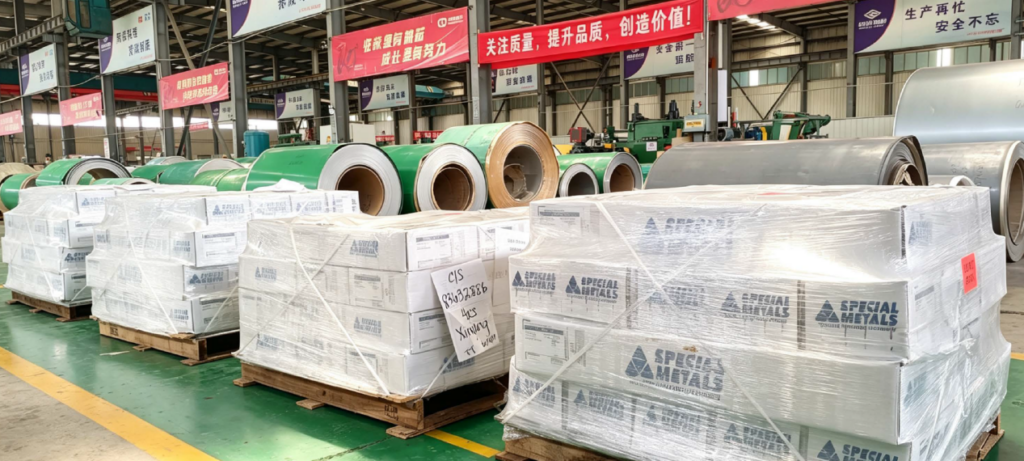
For pressure equipment, chemical processing systems, power-generation facilities, and other critical applications, appropriate documentation and traceability can also be an important part of the material selection process.
Applications
Nickel-based welding materials are used across a wide range of industries where conventional materials may not provide sufficient resistance to temperature or corrosion.
Typical applications include:
- Chemical and petrochemical processing
- Oil and gas equipment
- Power generation
- Heat exchangers and pressure vessels
- Marine and offshore equipment
- High-temperature processing systems
- Dissimilar-metal fabrication and repair
Choosing the Right Welding Material
There is no single nickel-based welding consumable suitable for every application. The appropriate grade depends on the base metal, service environment, welding process, and required performance.
At Ruisen, we provide specialty metals and support customers in identifying suitable material solutions for demanding applications. By considering both the base material and welding requirements, we help customers make more informed decisions for fabrication, maintenance, and long-term service.
For specific alloy and welding-material requirements, please contact the Ruisen team for technical assistance and material recommendations.